
LE BCTQ PARTICIPE AUX CONSULTATIONS PUBLIQUES SUR LE PROJET DE LOI 108

PL108

Le 12 novembre 2025, le Bureau du cinéma et de la télévision du Québec (BCTQ) a pris part aux consultations particulières et auditions publiques de la Commission de la culture et de l’éducation portant sur le projet de loi no 108Loi modifiant la Loi sur la Société de développement des entreprises culturelles afin de moderniser son offre de services financiers et de reconnaître le domaine de la créativité numérique.

Invité par la Commission, Stéphane Cardin, président-directeur général du BCTQ, est intervenu pour présenter les réalités du secteur audiovisuel ainsi que les besoins structurants de l’écosystème, dans un contexte marqué par des transformations économiques, technologiques et organisationnelles importantes. Le BCTQ a également remis son mémoire aux membres de la Commission afin de contribuer à l’étude du projet de loi.

Le projet de loi 108 vise notamment à actualiser les outils financiers de la SODEC et à mieux adapter son intervention aux nouvelles dynamiques du milieu culturel. Cette modernisation intervient alors que l’industrie audiovisuelle du Québec fait face à plusieurs défis : baisse des revenus publicitaires, incertitudes entourant les politiques fédérales, changement des habitudes d’écoute, ralentissement des investissements internationaux et ajustements des modèles d’affaires. Dans ce contexte, les leviers publics demeurent essentiels pour soutenir la compétitivité et la capacité d’innovation des entreprises.

Dans son mémoire, le BCTQ accueille favorablement cette démarche et met de l’avant trois éléments clés pour assurer la vitalité et la pérennité du secteur. D’abord, il réitère l’importance de renforcer l’agilité financière de la SODEC afin de permettre aux entreprises d’innover, de planifier leur développement et de composer avec des cycles de production moins prévisibles. Le BCTQ insiste également sur la nécessité de maintenir un soutien public stable pour accompagner la transition durable des pratiques, notamment grâce à On tourne vert, dont la progression repose sur une continuité d’appui institutionnel. Enfin, le BCTQ appuie l’intégration de la créativité numérique dans le mandat de la SODEC, tout en rappelant l’importance de préserver et de consolider les leviers spécifiquement dédiés à l’audiovisuel, essentiels au rayonnement et à la compétitivité de l’industrie.

Tous les mémoires déposés lors du mandat « Consultations particulières et auditions publiques sur le projet de loi n° 108 se trouvent sur le site de l’Assemblée nationale.
Share

Centre-du-Québec

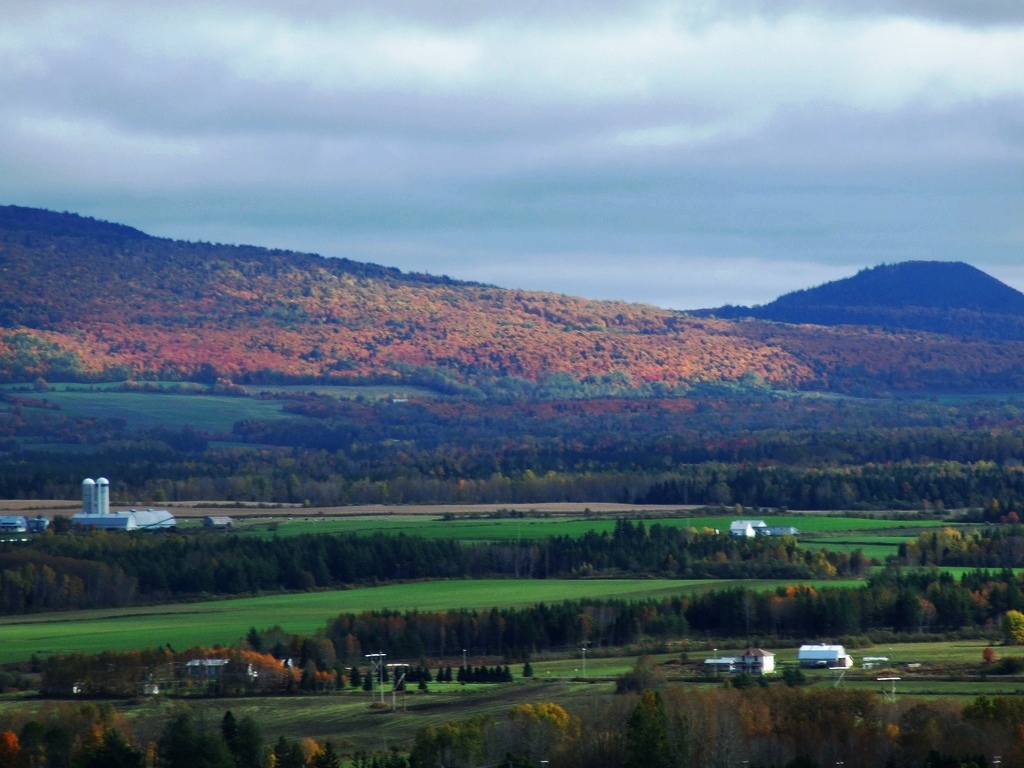
From the foothills of the Appalachians to the St. Lawrence plains, the Centre-du-Québec region covers 6,910 square kilometres. The charm of rural villages and the views of the St. Lawrence River are among the region’s assets.

QUEBEC FILM AND TELEVISION COUNCIL

60 St-Jacques ST, Suite 502
Montréal, Quebec H2Y 1L5
CANADA
1 866 320-3456 (toll-free in North America)
514 499-7070
Email: locations@bctq.ca
Website: www.bctq.ca

Capitale-Nationale (Québec City)

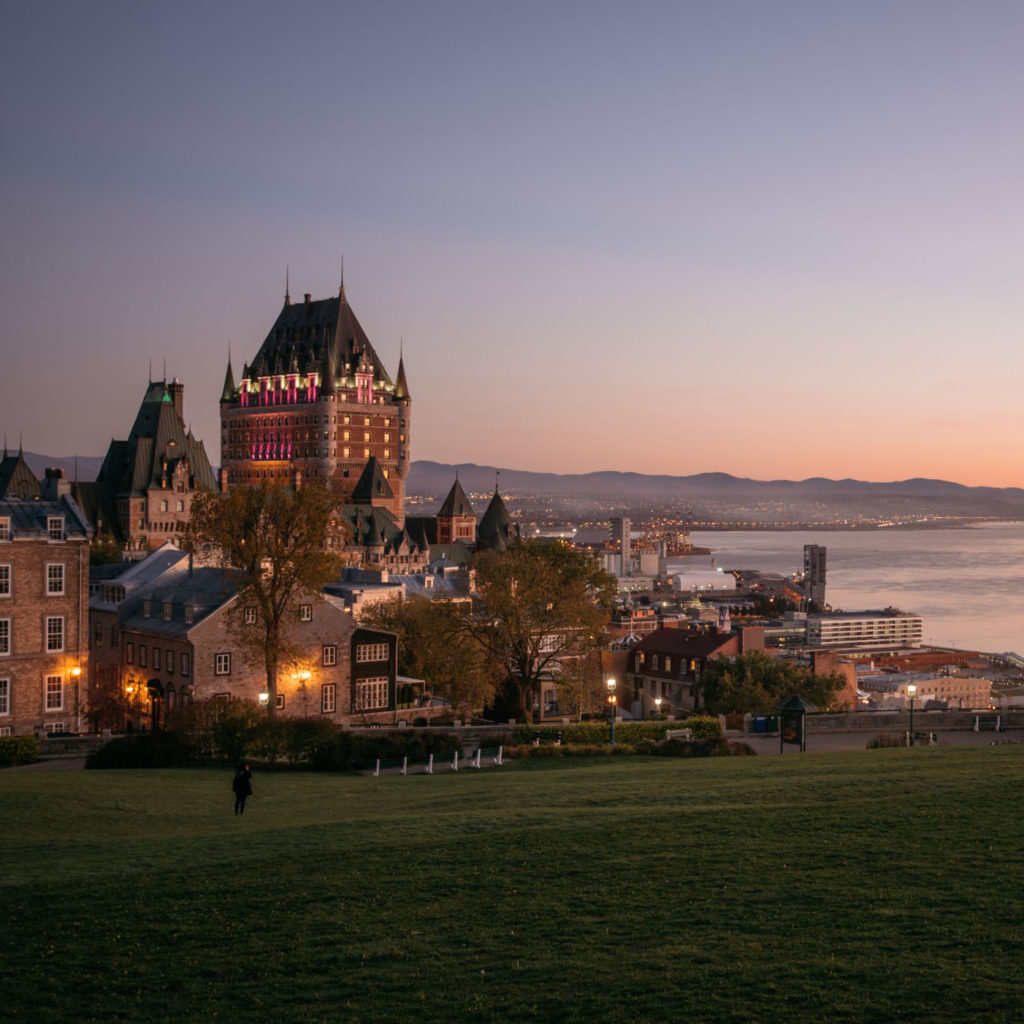
The Capitale-Nationale region offers a wide variety of natural settings and truly is the perfect environment for filming. The Old Québec neighbourhood is a UNESCO World Heritage Site. The historic capital is unique in North America for its remarkable architecture, European ambience and military fortifications. In fact, it’s the only fortified city north of Mexico.
Among the many remarkable features, you will find magnificent, pristine parks; villages with numerous historic buildings, some dating back to New France; the rigorously reconstructed village of Wendake, home of the Huron-Wendat Nation; the dramatic landscapes along the banks of the majestic St. Lawrence River, and many other others. A film office and an experienced local workforce are at your service.

VILLE DE QUÉBEC Bureau des grands événements

15 Saint-Nicolas Street
Québec City, Quebec G1K 1M8
418 641-6726
Email: cinema@ville.quebec.qc.ca
Website: www.ville.quebec.qc.ca/tournage

Bas-Saint-Laurent​

From the shores of the St. Lawrence to the highlands, the Bas-Saint-Laurent region is a rich tapestry of maritime, lakeside, farming and forest landscapes… Its villages, islands, lighthouses, national parks and marine mammals are among the region’s assets.

QUEBEC FILM AND TELEVISION COUNCIL

60 St-Jacques ST, Suite 502
Montréal, Quebec H2Y 1L5
CANADA
1 866 320-3456 (toll-free in North America)
514 499-7070
Email: locations@bctq.ca
Website: www.bctq.ca

Abitibi-Témiscamingue

A landscape of contrasting scenery of lakes and rivers, the vast region of Abitibi-Témiscamingue is situated north of the Ottawa river region, along the Quebec-Ontario border. It is inhabited by friendly people who take pride in sharing their history and culture.

Abitibi-Témiscamingue is very young, as far as regions go—its oldest city is 130 years old. However, traces of the Anishinabek people date back 8,000 years, and this Algonquin First Nation continues to be a thriving presence in the territory today.

QUEBEC FILM AND TELEVISION COUNCIL

60 St-Jacques ST, Suite 502
Montréal, Quebec H2Y 1L5
CANADA
1 866 320-3456 (toll-free in North America)
514 499-7070
Email: locations@bctq.ca
Website: http://www.bctq.ca

Nord-du-Québec​

Nord-du-Québec is the largest administrative region in Quebec, covering 55% of the total area of the province with its 839,000 square kilometres that include 121,000 square kilometres of lakes and rivers. Ivujivik, the northernmost town in Quebec, is located more than 1,900 km as the crow flies from Montréal and less than 502 km from the Arctic Circle. The 11,000 inhabitants — primarily Inuit — live in 14 villages located mostly on the coast, at the river mouths. Kuujjuaq, the administrative capital, has a population of 2,300.

QUEBEC FILM AND TELEVISION COUNCIL

60 St-Jacques ST, Suite 502
Montréal, Quebec H2Y 1L5
CANADA
1 866 320-3456 (toll-free in North America)
514 499-7070
Email: locations@bctq.ca
Website: www.bctq.ca